
India’s economic engine runs partly on the twin rails of its two major stock exchanges — BSE and NSE. Among them, the National Stock Exchange (NSE) stands tall as the country’s first fully electronic and demat-enabled stock exchange, revolutionizing how Indians invest and trade.
Let’s explore how NSE became a cornerstone of India’s financial system.
📌 What is NSE? A Quick Introduction
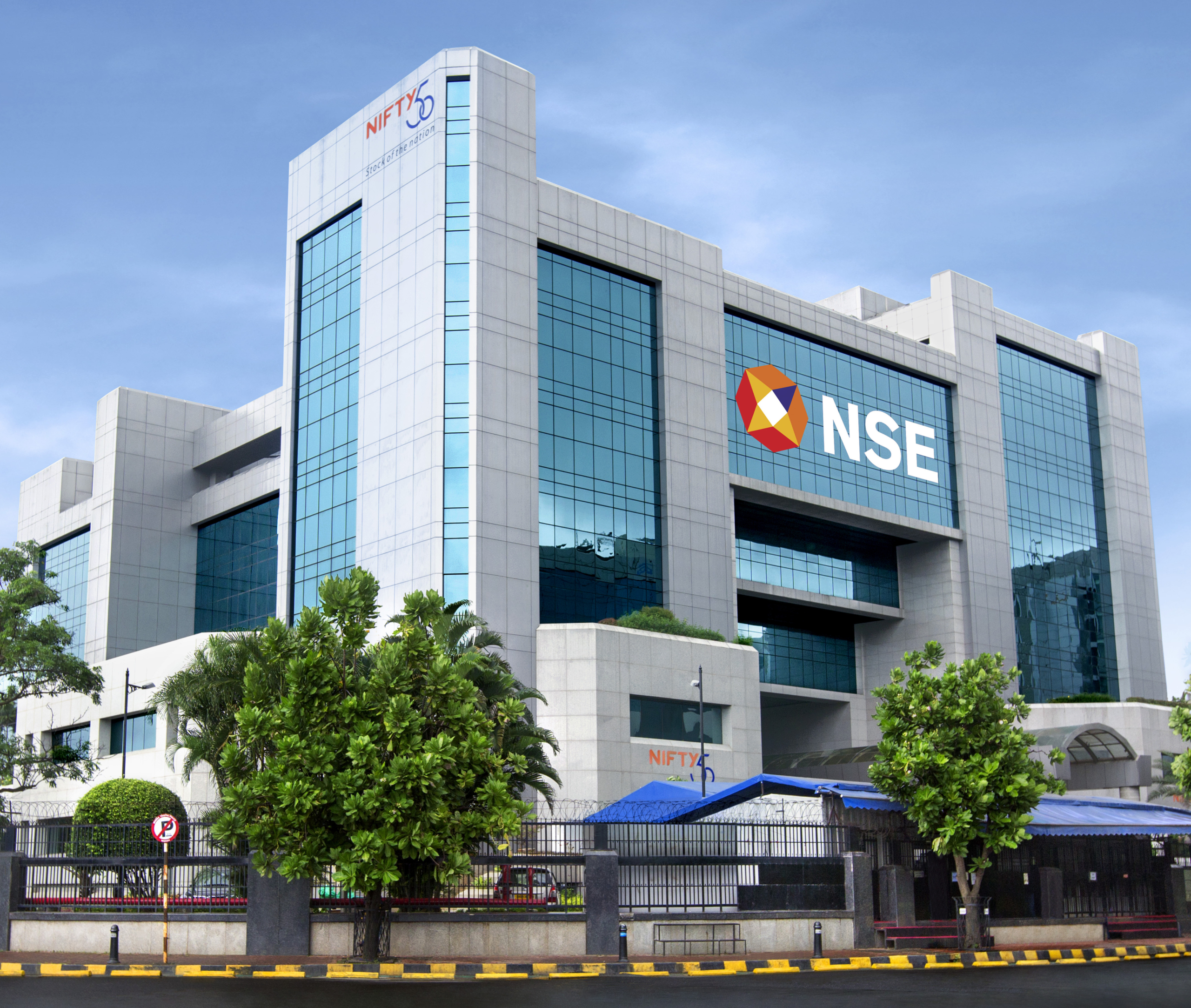
Established in 1992 and operational since 1994, the National Stock Exchange of India Ltd. was introduced to bring transparency, speed, and efficiency to India’s capital markets. Headquartered in Mumbai, it was the first exchange in India to offer fully automated screen-based electronic trading.
It was a game-changer at a time when trading was largely done via open outcry at physical exchange floors.
🧠 How NSE Works
Unlike older exchanges that used paper-based trading systems, NSE’s platform is built on:
- NEAT (National Exchange for Automated Trading) – a high-speed automated system.
- Dematerialized shares – meaning shares exist in digital form, not physical.
- T+1 Settlement Cycle – faster settlement of trades (T = Transaction date).
From equity shares to derivatives, mutual funds, bonds, and currency markets – NSE provides a multi-asset platform for a broad range of investors.
📊 Key Index: The Power of NIFTY 50
The NIFTY 50 is the flagship benchmark index of NSE. It represents the top 50 large-cap companies listed on the exchange across 13 sectors, and is used by investors worldwide as an indicator of India’s market strength.
Other notable NSE indices include:
- NIFTY Bank
- NIFTY IT
- NIFTY FMCG
- NIFTY Next 50
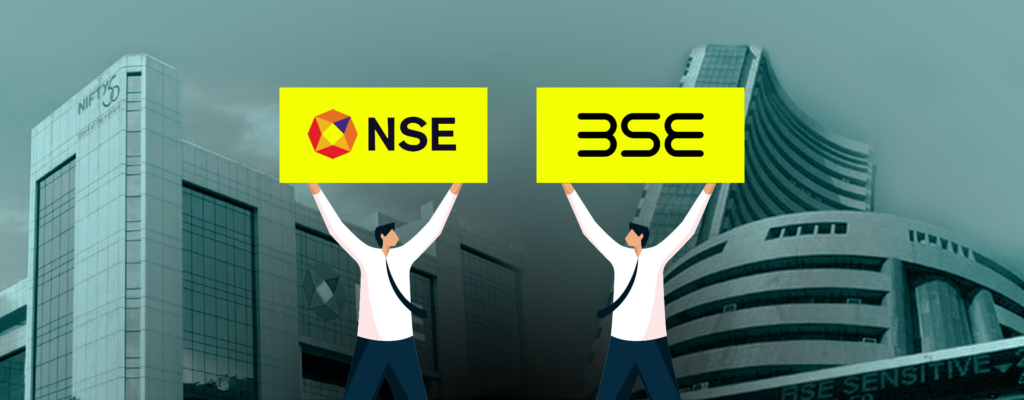
⚖️ NSE vs BSE: What’s the Difference?
| Feature | NSE | BSE |
|---|---|---|
| Founded | 1992 | 1875 |
| Key Index | NIFTY 50 | SENSEX |
| Technology | Fully electronic from inception | Modernized later |
| Market Share | Higher in derivatives segment | More listed companies |
| Ideal for | Active traders & F&O market | Long-term investors & IPOs |
⏰ Trading Hours & Sessions on NSE
- Pre-Opening: 9:00 AM – 9:15 AM
- Normal Trading: 9:15 AM – 3:30 PM
- Post-close Session: 3:40 PM – 4:00 PM
Note: The market is closed on weekends and national holidays.
💹 Tech Backbone of NSE
NSE has always been at the forefront of fintech in India:
- Offers high-frequency trading infrastructure
- Enables API-based trading and smart investing tools
- Backed by NSE Academy for financial education
- Partnered with clearing corporations for secure settlement
It also offers live market tracking through its official app and website.
📈 NSE in 2025: Current Snapshot
As of mid-2025:
- Market Capitalization: ₹340+ lakh crore
- Average Daily Turnover: Over ₹70,000 crore
- Listed Companies: 2,200+
- Highest Volume: Seen in equity derivatives and options trading
NSE also has a global presence through its subsidiary NSE International Exchange (NSE IFSC) in GIFT City, Gujarat.
👥 Why Retail & Young Investors Prefer NSE
- Easy app-based access
- Transparent trading with real-time price updates
- Widely trusted brokers and platforms
- Lower transaction cost in options
- Quick customer support
Whether you’re trading in equity, F&O, or mutual funds – NSE simplifies the process for both beginners and pros.

🧾 Final Thoughts
The National Stock Exchange isn’t just a platform — it’s a symbol of India’s financial maturity and a launchpad for millions of retail investors. As digital finance continues to expand, NSE remains at the core of India’s journey toward a more transparent and inclusive capital market.