
🏛 What is SEBI?
The Securities and Exchange Board of India (SEBI) is the regulatory body for India’s securities and capital markets. Established in 1988 and granted statutory powers in 1992, SEBI plays a pivotal role in ensuring market transparency, protecting investor interests, and regulating financial intermediaries.
It operates under the Ministry of Finance, Government of India.
📜 History & Formation
- Before SEBI, the Indian stock market was loosely regulated, leading to frequent scams and investor exploitation.
- The 1992 Harshad Mehta scam highlighted the urgent need for a strong market watchdog.
- SEBI was given statutory status through the SEBI Act, 1992, empowering it with full regulatory authority.
🎯 Objectives of SEBI
SEBI’s work revolves around three main objectives:
- Protecting Investor Interests
Ensuring investors are not misled, manipulated, or defrauded. - Developing the Securities Market
Encouraging innovation and healthy competition in financial markets. - Regulating Market Intermediaries
Framing rules for brokers, stock exchanges, mutual funds, etc.
⚙️ Key Functions and Powers
SEBI enjoys broad powers that include:
- Regulating stock exchanges and market intermediaries
- Registering and monitoring mutual funds, credit rating agencies, depositories
- Setting guidelines for IPOs, buybacks, takeovers
- Investigating insider trading and fraudulent practices
- Imposing penalties and banning entities when necessary
🧩 Departments Within SEBI
SEBI operates through specialized departments such as:
- Market Regulation Department (MRD)
- Enforcement Department (ENF)
- Corporation Finance Department (CFD)
- Investment Management Department (IMD)
Each department ensures smooth functioning of different aspects of the market.
🔍 How SEBI Regulates the Market
- Approving and monitoring IPOs
- Issuing rules for takeovers and mergers
- Tracking and controlling insider trading
- Conducting inspections and audits of exchanges
- Empowering investors through awareness programs
🧑💼 Investor Protection Tools by SEBI
SEBI has developed several digital platforms to protect and empower retail investors:
- SCORES (SEBI Complaints Redress System)
Enables investors to lodge complaints online and track status. - SMILE (Securities Market Information for Legal Enforcement)
Aims to gather intelligence for swift legal action. - Investor Awareness Programs
SEBI conducts workshops and campaigns to promote financial literacy.

📈 Recent Developments & Reforms
- ESG Framework: Mandated top 1000 listed companies to file BRSR (Business Responsibility and Sustainability Report).
- Mutual Fund Transparency: Regulations to prevent mis-selling and enhance disclosure.
- IPO Price Band Norms: Set a minimum gap in price bands to avoid manipulation.
- Tightening Insider Trading Rules: Introduced stricter disclosure norms.
- Digital Surveillance Systems: For real-time fraud detection and AI-based alerts.
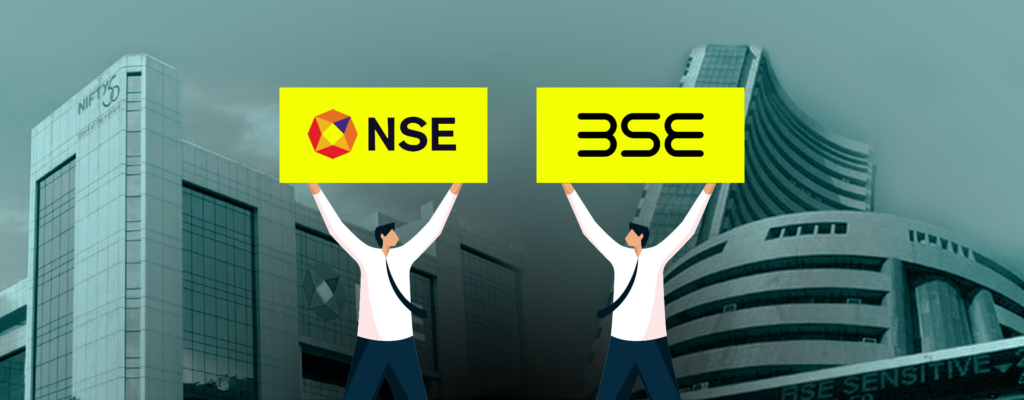
⚖️ SEBI vs NSE/BSE: Key Difference
| Feature | SEBI | NSE/BSE |
|---|---|---|
| Type | Regulatory Body | Stock Exchange |
| Function | Sets and enforces rules | Trading platforms for stocks |
| Reports To | Government of India | Regulated by SEBI |
| Established | 1988 (statutory in 1992) | NSE (1992), BSE (1875) |
🚨 Example Case: SEBI’s Recent Crackdown
In early 2024, SEBI fined a popular YouTube-based financial influencer for providing stock recommendations without registration—a move that highlighted SEBI’s focus on social media-driven market manipulation.
📚 Conclusion
SEBI is the guardian of India’s capital markets—working silently but powerfully behind the scenes to ensure fair play, transparency, and investor safety. With India’s retail investor base growing rapidly, SEBI’s role will only become more significant in shaping a vibrant and secure financial ecosystem.