📜 Introduction
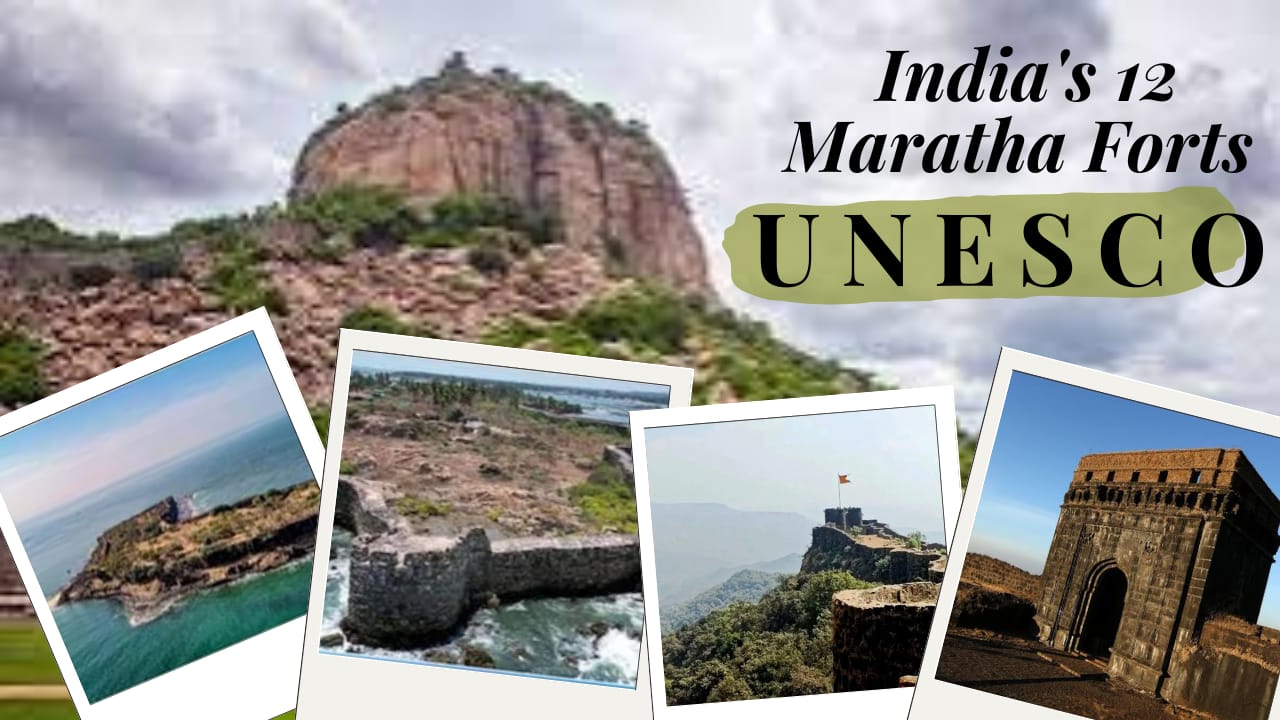
In a historic moment for Indian cultural heritage, UNESCO has officially inscribed the “Maratha Military Landscapes of India” during its 47th World Heritage Committee session in Paris—comprising 12 iconic forts associated with Chhatrapati Shivaji Maharaj. This marks India’s 44th UNESCO World Heritage Site, highlighting the Maratha Empire’s architectural and military achievements.
🏰 Fort Network & Strategic Significance
This serial site covers twelve strategically located forts built from the 17th to the 19th centuries. Eleven are in Maharashtra and one in Tamil Nadu.
Below are the 12 forts included in the Maratha Military Landscapes, now officially recognized by UNESCO as World Heritage Sites under cultural criteria (iii), (iv), and (vi):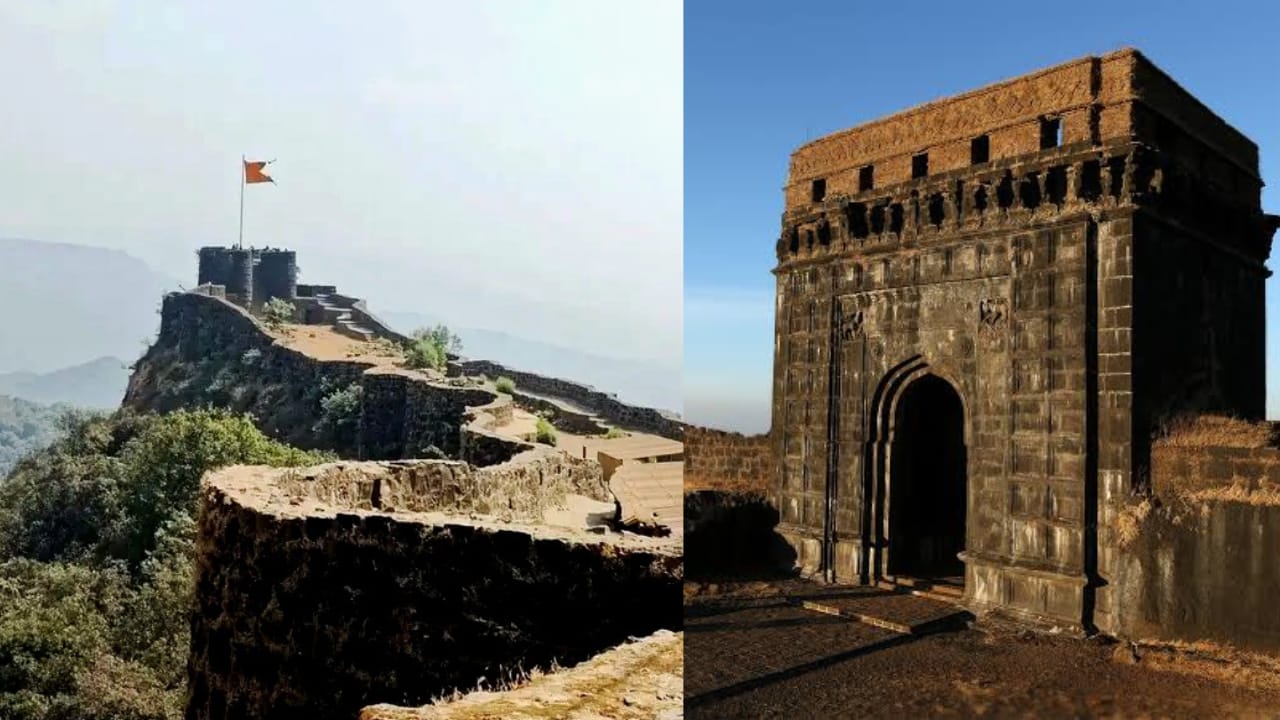
1. Raigad Fort (Maharashtra)
- The capital of the Maratha Empire under Shivaji Maharaj.
- Site of Shivaji’s coronation in 1674.
- Located 820 meters above sea level, known for strong bastions and the Mahadarwaja entrance.
- Symbol of Swarajya and Maratha administrative vision.
2. Rajgad Fort (Maharashtra)
- First capital of Shivaji Maharaj before Raigad.
- Stands on Murumbadevi Dongar in Pune district.
- Famous for its large plateau, palace ruins, and strategic watch towers.
3. Pratapgad Fort (Maharashtra)
- Built in 1656 in Satara district.
- Known for the historic battle between Shivaji and Afzal Khan in 1659.
- Hilltop location with layered defenses and the famous Bhavani temple.
4. Shivneri Fort (Maharashtra)
- Birthplace of Chhatrapati Shivaji Maharaj in 1630.
- Located in Junnar, Pune district.
- Features a unique water management system and ancient rock-cut architecture.
5. Lohagad Fort (Maharashtra)
- Known as the “Iron Fort,” located near Lonavala.
- Captured by Shivaji in 1648.
- Strategically placed to guard the trade route between Khandala and the Konkan coast.
6. Salher Fort (Maharashtra)
- Located in Nashik district; one of the highest forts in Maharashtra.
- Site of the Battle of Salher (1672) where Marathas defeated Mughals.
- Offers panoramic views and massive fortification remains.
7. Panhala Fort (Maharashtra)
- Located near Kolhapur.
- Largest fort in the Deccan, known for the Battle of Panhala and Shivaji’s strategic escape through Ghodkhind (now Pavan Khind).
- Served as a residence for many Maratha rulers.
8. Vijaydurg Fort (Maharashtra)
- Coastal fort located in Sindhudurg district.
- Also known as the “Eastern Gibraltar.”
- Naval base for Maratha admiral Kanhoji Angre.
- Known for underwater trench defenses and maritime history.
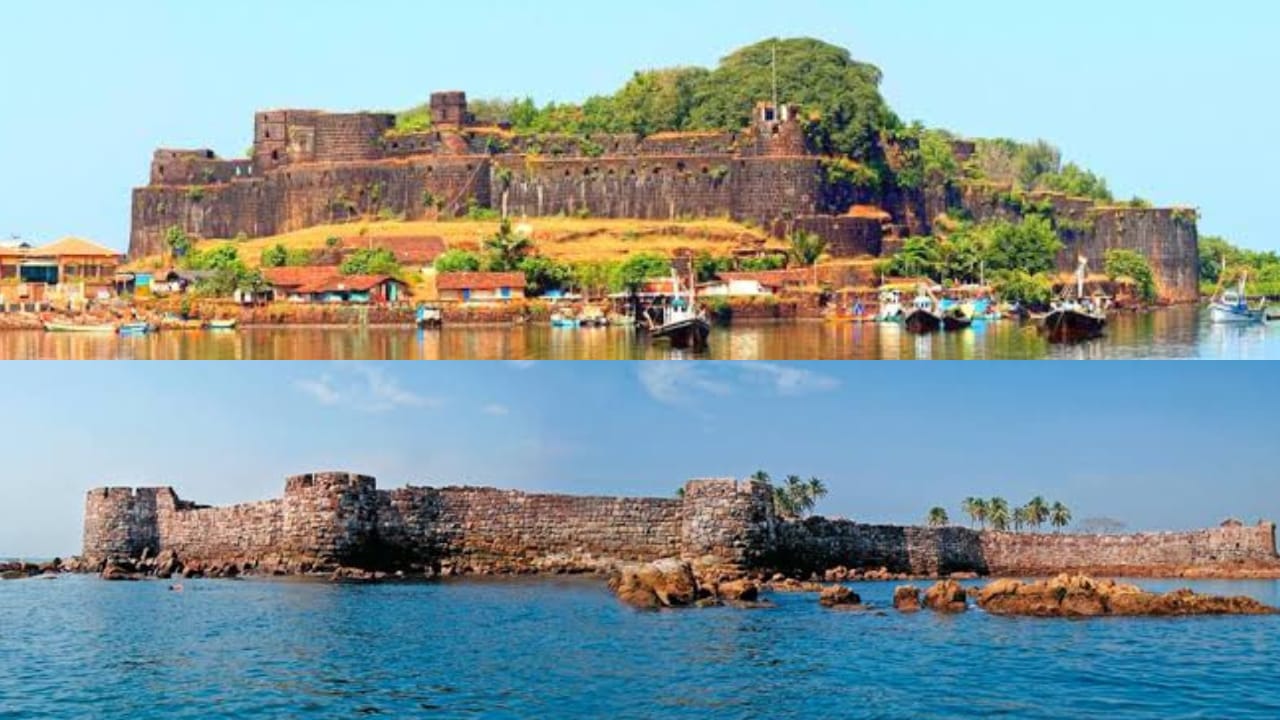
9. Sindhudurg Fort (Maharashtra)
- Built on an island by Shivaji Maharaj in 1664.
- Located near Malvan in the Arabian Sea.
- Contains Shivaji’s hand and foot impressions, showcasing maritime dominance.
10. Suvarnadurg Fort (Maharashtra)
- Island fort off the coast of Dapoli, Ratnagiri.
- Part of Shivaji’s naval line of defense.
- Managed by Admiral Kanhoji Angre; strong marine fortification system.
11. Khanderi Fort (Maharashtra)
- Island fort near Mumbai, built in 1679.
- Used to monitor English naval activity.
- Features include a lighthouse, underground water tanks, and watch towers.
12. Gingee Fort (Tamil Nadu)
- Only fort outside Maharashtra in this listing.
- Captured by the Marathas in the late 17th century.
- Known for its three citadels, high granite hills, and large granaries.
- Architectural mix of South Indian and Maratha styles.
Each of these forts showcases distinct regional adaptations, construction techniques, and historical events linked with the rise and defense strategies of the Maratha Empire. Their inclusion in UNESCO’s World Heritage list validates their universal cultural value and preservation needs.
🔍 Historical & Cultural Value
Developed under Shivaji Maharaj and continued through the Peshwa-era until 1818 CE, the forts showcase:
- Use of terrain for defence and governance
- Military architecture reflecting strategic planning and regional control
UNESCO inscribed them under Criteria (iii), (iv), and (vi) for their exceptional testimony to cultural tradition, typological ensemble, and direct association with the Maratha struggle for Swarajya
💬 National Reactions & Official Endorsement
- Prime Minister Narendra Modi celebrated the recognition, calling it a proud tribute to the Maratha legacy and urging citizens to visit the forts to engage with India’s history firsthand “Every Indian is elated with this recognition… I call upon everyone to go visit these forts…”
- Maharashtra Chief Minister Devendra Fadnavis described the event as a “proud and glorious moment” and extended heartfelt congratulations to the people of Maharashtra and ShivBhakts nationwide
🔧 Process & Impact
- The nomination was submitted in January 2024 and underwent a thorough 18-month evaluation, including technical review and ICOMOS site missions, before inscription in July 2025
- This designation places these forts on the global heritage map, promoting stronger conservation efforts and boosting cultural tourism.
🌍 Heritage Tourism & Youth Engagement
Maharashtra’s government has supported cultural tourism initiatives like the “Bharat Gaurav” Shivaji Maharaj circuit train, which connects Raigad, Shivneri, Panhala, and more. The inaugural six-day journey was fully booked and largely participated by travelers under 40, reflecting high interest in heritage immersion experiences
🧭 Significance & Outlook
This UNESCO recognition is not just symbolic—it revitalises awareness of Maratha resilience, architectural heritage, and regional identity. The forts stand as monuments to strategic brilliance and serve as educational and tourism assets in modern India.
✅ Summary
The inscription of the Maratha Military Landscapes as UNESCO World Heritage Sites cements the importance of Shivaji Maharaj’s forts in India’s cultural narrative. This milestone enhances global recognition, strengthens heritage management, and opens avenues for immersive tourism tied to Maratha legacy and India’s fight for Swarajya.